Artificial intelligence has become a central feature of modern smartphones, influencing how devices process photos, manage battery life, recognize speech and personalize user experiences. Rather than existing as a single visible function, AI in smartphones operates quietly in the background, embedded within hardware and software systems that support everyday tasks.

What AI in Smartphones Actually Means
In smartphones, artificial intelligence typically refers to machine learning systems that allow devices to analyse data, identify patterns and make predictions without explicit manual programming for each scenario.
AI in mobile devices commonly includes:
-
On-device machine learning models
-
Neural processing units (NPUs) integrated into system-on-chip (SoC) designs
-
Natural language processing for voice assistants
-
Computer vision for camera and facial recognition
-
Predictive algorithms for battery and app management
-
Cloud-assisted AI for more complex computations
Rather than replacing user input, smartphone AI enhances automation and contextual awareness. It works alongside traditional computing processes, improving speed, efficiency and personalization.
The Hardware Behind Smartphone AI
Modern smartphones are built around advanced chipsets that include dedicated AI components.
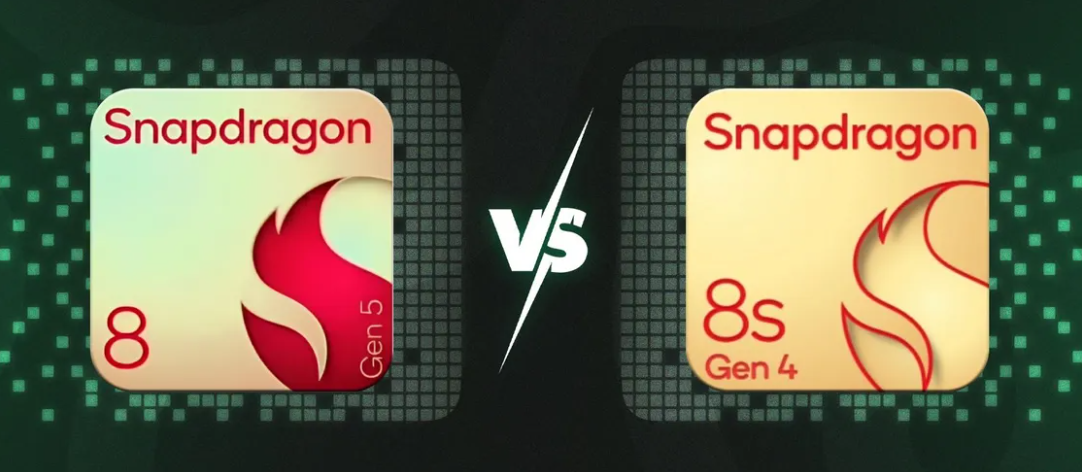
Manufacturers such as Apple, Qualcomm and MediaTek integrate neural engines or NPUs into their mobile processors. These components are optimized for matrix calculations and pattern recognition tasks used in machine learning models.
Unlike general-purpose CPU cores, NPUs are designed to process AI workloads efficiently while consuming less power. This enables features such as real-time language translation, advanced image processing and voice recognition without excessive battery drain.
On-device AI processing has become increasingly important because it reduces dependence on cloud servers. Tasks can be completed locally, improving speed and enhancing data privacy.
How AI Powers Smartphone Cameras
One of the most visible uses of AI in smartphones is computational photography.
When a user takes a photo, the camera system often captures multiple frames simultaneously. AI algorithms then analyse those frames to adjust exposure, reduce noise, balance colours and enhance detail.
Common AI-driven camera functions include:
-
Scene recognition (detecting landscapes, food, portraits or night settings)
-
Portrait mode depth mapping
-
Low-light noise reduction
-
HDR image blending
-
Real-time video stabilization
Rather than relying solely on larger sensors or higher megapixel counts, smartphone manufacturers increasingly depend on AI to improve image quality.
For users, this means better results in challenging conditions, even without professional photography knowledge.
AI and Voice Assistants
Voice assistants such as Siri, Google Assistant and others rely heavily on natural language processing models.
When a user speaks a command, the system converts audio into text, analyses intent and generates a response. Machine learning allows the assistant to improve over time by adapting to speech patterns and usage behaviour.
More recent developments involve contextual awareness, where the assistant can understand follow-up questions without requiring repeated prompts.
For users, improved language processing reduces friction in hands-free tasks such as setting reminders, sending messages or controlling smart home devices.
Use of AI in Smartphones Battery and Performance Optimization
AI also plays a role in managing device resources.
Modern smartphones monitor usage patterns to predict when apps should run in the background, when to limit power consumption and how to allocate processing power efficiently.
Examples include:
-
Adaptive battery systems that restrict rarely used apps
-
Dynamic brightness adjustment
-
Performance throttling during low-demand scenarios
-
Optimized charging schedules to preserve battery health
These features operate without constant user intervention, aiming to balance performance and longevity.
For users, the impact is subtle but practical: longer battery life and smoother day-to-day operation.
On-Device vs Cloud-Based AI in Smartphones
Smartphone AI operates either locally on the device or through cloud servers.
On-device AI offers faster response times and improved privacy because data remains on the phone. However, it is limited by hardware capacity.
Cloud-based AI allows more complex models to process data remotely. This can enable advanced generative tools, language models and large-scale analysis, but it requires internet connectivity and may raise privacy considerations.
Most modern smartphones use a hybrid approach, determining which tasks are best handled locally and which require server-side processing.
Market Impact and Industry Strategy
Artificial intelligence has become a competitive differentiator in the smartphone market.
Manufacturers increasingly highlight AI capabilities in marketing materials and product launches. Rather than focusing solely on hardware specifications such as display resolution or camera megapixels, companies now emphasize intelligent features.
AI integration also influences chipset development. Chipmakers are allocating more silicon space to neural engines, shaping the design priorities of future devices.
From a market perspective, AI capability is influencing upgrade cycles. Consumers may consider software intelligence as an important factor when choosing between models.
Developers are also adapting. Apps now integrate AI-powered personalization and automation features, leveraging system-level AI frameworks provided by operating systems.
Who Should Care
AI in smartphones affects several groups directly:
-
Content creators who rely on camera optimization and editing tools
-
Professionals managing communication and scheduling
-
Users concerned with privacy and on-device processing
-
Consumers evaluating device longevity and performance
Even users who do not actively seek AI features are influenced by them, as many improvements occur automatically in the background.
Limitations and Ongoing Challenges
Despite rapid advancement, smartphone AI has constraints.
Processing limitations restrict the size of models that can run locally. Cloud dependency may introduce latency. Accuracy in voice recognition and image classification can vary based on context and training data.
Battery consumption also remains a balancing factor. Although NPUs are efficient, AI tasks still require power.
Understanding these limitations helps set realistic expectations about what AI can and cannot accomplish on a mobile device.
What This Means for Consumers
AI in smartphones is less about dramatic change and more about incremental improvement. It enhances daily interactions by reducing manual effort, improving image quality and optimizing performance.
Consumers should view AI not as a standalone feature but as a foundational layer influencing how devices function. When comparing smartphones, evaluating AI capabilities alongside hardware specifications provides a more complete picture.
Privacy-conscious users may prioritize devices with strong on-device processing. Productivity-focused users may value AI writing and scheduling tools. Photography enthusiasts may benefit most from computational enhancements.
Insight Summary on AI in Smartphones
Artificial intelligence in smartphones operates quietly but pervasively. It shapes how photos are processed, how assistants interpret speech and how batteries are managed. Rather than replacing traditional computing, AI augments it through specialized hardware and adaptive software models.
As the industry evolves, AI is becoming a baseline expectation rather than a premium add-on. For consumers, understanding how it works enables more informed purchasing decisions and realistic expectations about performance, privacy and long-term value.
More Articles:
Seth Trader is a passionate technology journalist and gadget blogger who covers the latest in smartphones, AI, smart devices, and digital innovation news. As the voice behind this tech news hub, he delivers fresh updates, honest insights, and hands-on takes to keep readers ahead in the fast-changing world of technology. Whether it’s a new gadget launch, a software breakthrough, or a trending tech story — Seth Trader brings it to you first, clear and simple. “Reporting the future news, one gadget at a time”