Samsung Galaxy S26 Leak Suggests Major Camera Sensor Upgrade
Samsung’s upcoming Galaxy S26 series is shaping up to include notable changes to camera hardware and imaging performance, based on recent leaks and industry reporting ahead of the expected February 25, 2026 launch. Early information highlights new sensor components, algorithm improvements and potential shifts in supplier partnerships.

New Sensor Supplier Reported for Front Camera
Recent leaks indicate that the Samsung Galaxy S26 Ultra may incorporate a Sony-made sensor for its front-facing camera. Replacing Samsung’s own ISOCELL unit used in prior models. The switch does not appear to change resolution or physical dimensions but could reflect supply chain or performance considerations.
According to the reports, the new sensor maintains a 12-megapixel resolution and similar size to the ISOCELL component used previously. With aperture and pixel pitch largely unchanged.
The shift in supplier is significant in that it shows Samsung is adjusting internal component sourcing rather than implementing major physical redesigns, a move that may influence where and how images are processed at the hardware level.
Rear Camera Configuration: Hardware and Speculation
On the rear of the S26 Ultra, multiple sources point to continued use of a 200-megapixel primary camera along with additional wide-angle and telephoto modules. Hardware specs are not yet confirmed, but multiple leaks suggest a configuration similar to the S25 Ultra, with updates in sensor performance rather than outright redesign.
Leaked spec lists indicate that the S26 Ultra may include:
-
A 200MP main camera with optical image stabilization (OIS)
-
A 50MP ultrawide camera with autofocus
-
A 10MP telephoto lens with 3x optical zoom and OIS
-
A 50MP telephoto unit with 5x optical zoom and OIS
For the non-Ultra models, reports suggest the standard S26 and S26+ will carry a 50MP primary camera, a 12MP ultrawide camera, and a 10–12MP telephoto module with optical zoom.
Software-Driven Improvements Expected
Beyond sensor hardware, several leaks highlight image processing and algorithmic enhancements as a central part of the S26 series camera story. These improvements focus on noise reduction, colour fidelity, and artifact suppression in challenging photographic scenarios.
One prominent rumour circulating from reputable leakers — including Ice Universe — suggests a new noise reduction algorithm that aims to reduce visible artifacts, particularly in uniform areas like skies. The updated processing reportedly produces smoother gradients and improved detail at higher zoom levels, especially in the camera’s rumoured 24MP shooting mode.
This emphasis on software quality over sheer megapixel increases appears to reflect a shift in Samsung’s imaging strategy: rather than pushing for higher numeric specifications, the company may be seeking to enhance the consistency and clarity of real-world photos.
Analysis: What This Means for Users
4kreviewers.com thinks that for consumers evaluating the Galaxy S26 series ahead of launch, the emerging pattern suggests incremental but meaningful updates rather than wholesale overhauls of camera hardware.
Imaging Performance May Rely on Software
If the leaks about new noise-reduction processing are accurate, users should expect cleaner low-light photos and reduced artifacts relative to previous Galaxy phones, even if the core sensor hardware doesn’t represent a dramatic leap forward. Improved algorithms can yield visibly better results in everyday shooting — particularly in challenging lighting or high-contrast scenes — without changing sensor sizes or pixel counts.
This prioritization of computational photography aligns with broader trends in the smartphone market, where manufacturers increasingly rely on software enhancement to boost image quality. For users, this could translate into more natural colors and smoother textures in photos, particularly when using zoom or shooting in dynamic environments.
Sensor Supplier Switch May Signal Long-Term Direction
The reported switch from Samsung’s own ISOCELL technology to a Sony sensor for the front camera signals possible supply or performance optimization. Sony is a major camera sensor supplier across the smartphone industry, and successful adoption in the S26 Ultra could influence future Samsung decisions.
For users focused specifically on selfie quality, the sensor supplier change alone does not guarantee improved results. Because the resolution and physical characteristics appear consistent with previous models, the actual impact will depend on how Samsung tunes the sensor and software together.
Samsung Galaxy S26 camera upgrade to Hardware Are Not Uniform
The rear camera setup appears to maintain continuity with the S25 generation, particularly in the Ultra model’s primary sensor. While telephoto and wide modules are broadly consistent with prior expectations, software enhancements may be where the most noticeable user impacts accrue.
Users expecting headline-grabbing hardware leaps in the Samsung Galaxy S26 camera upgrade. Like significant increases in megapixels or new optical systems. May find this cycle more evolutionary than revolutionary. However, for everyday photography and video capture, a combination of refined processing. Also stable hardware could still deliver measurable improvements in image fidelity.
Anticipated Launch and Confirmation
Samsung is widely expected to unveil the Galaxy S26 series on February 25, 2026 at its annual Galaxy Unpacked event. Only at that time will the company confirm official specifications, imaging capabilities, and performance benchmarks.
Until then, the available leaks offer a balanced picture. The S26 camera system’s evolution may be shaped as much by computational imaging and supplier adjustments as by conventional hardware upgrades.
Key camera (and related hardware) differences between the Samsung Galaxy S26 Ultra and the Samsung Galaxy S25 Ultra based on multiple credible leaks and spec sources. All figures remain unconfirmed until Samsung’s official announcement at Galaxy Unpacked on 25 February 2026.
Samsung Galaxy S26 Ultra vs Galaxy S25 Ultra — Camera and Key Specs Comparison
| Specification | Samsung Galaxy S26 Ultra (Rumored/Leaked) | Samsung Galaxy S25 Ultra (Confirmed) |
|---|---|---|
| Main Rear Camera | 200 MP, f/1.4 aperture (wider than predecessor) | 200 MP, f/1.7 aperture |
| Ultrawide Camera | 50 MP | 50 MP |
| Telephoto 1 | 50 MP periscope, 5x optical zoom | 50 MP periscope, 5x optical zoom |
| Telephoto 2 | 12 MP 3x zoom or 10 MP (rumored dispute) | 10 MP 3x zoom |
| Front (Selfie) Camera | 12 MP sensor (Sony-sourced), wider field of view | 12 MP (Samsung sensor) |
| Camera Module Design | Pill-shaped island housing cameras | Floating individual lens modules |
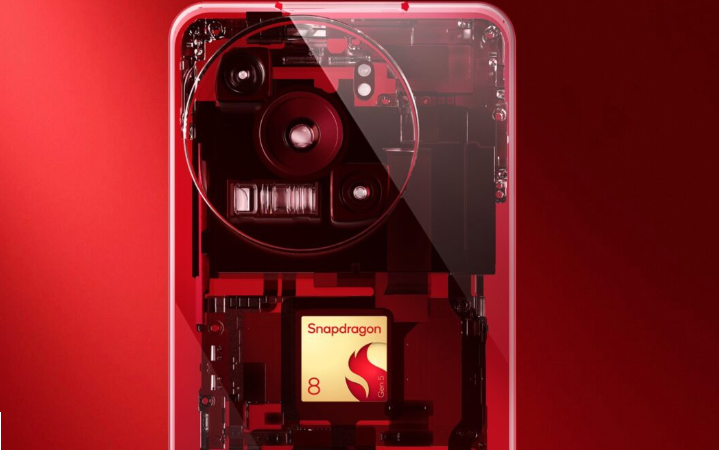
| Processor | Snapdragon 8 Elite Gen 5 | Snapdragon 8 Elite for Galaxy |
| Battery | 5 000 mAh | 5 000 mAh |
| Charging | Potential 60 W wired | 45 W wired |
| Body Thickness | ~7.9 mm | ~8.2 mm |
Notes on Rumored Discrepancies on the Samsung Galaxy S26 camera upgrade
Telephoto Sensor Details:
Multiple leaks disagree on the second telephoto module for the S26 Ultra. Some suggest a 12 MP 3x zoom sensor, up from 10 MP on the S25 Ultra, while others. Including respected leakers — argue there may be no change at all in that module.
Aperture and Light Capture:
Several sources indicate a wider aperture on the S26 Ultra’s main camera (from f/1.7 to f/1.4), which — if accurate — should allow more light to reach the sensor in low-light conditions, potentially improving detail and noise performance.
Front Camera Supplier Switch:
Leaks consistently point to a Sony-sourced 12 MP front sensor on the S26 Ultra, possibly with a marginally wider field of view, compared with Samsung’s own sensor in the S25 Ultra. The real-world impact will depend on sensor tuning and image processing in the final unit.
Seth Trader is a passionate technology journalist and gadget blogger who covers the latest in smartphones, AI, smart devices, and digital innovation news. As the voice behind this tech news hub, he delivers fresh updates, honest insights, and hands-on takes to keep readers ahead in the fast-changing world of technology. Whether it’s a new gadget launch, a software breakthrough, or a trending tech story — Seth Trader brings it to you first, clear and simple. “Reporting the future news, one gadget at a time”